
What is trichotillomania?
Trichotillomania is an impulse control disorder characterised by an overwhelming urge to pull out one’s own hair—commonly from the scalp, eyebrows, or eyelashes. We understand that this is not a “bad habit” you can simply stop. It is often a coping mechanism for stress, anxiety, or boredom.
Many patients feel immense shame or guilt, avoiding hairdressers for years due to fear of judgement. At Sussex Hair Clinic, there is no judgement. We offer a safe, private medical environment to help you manage the condition.
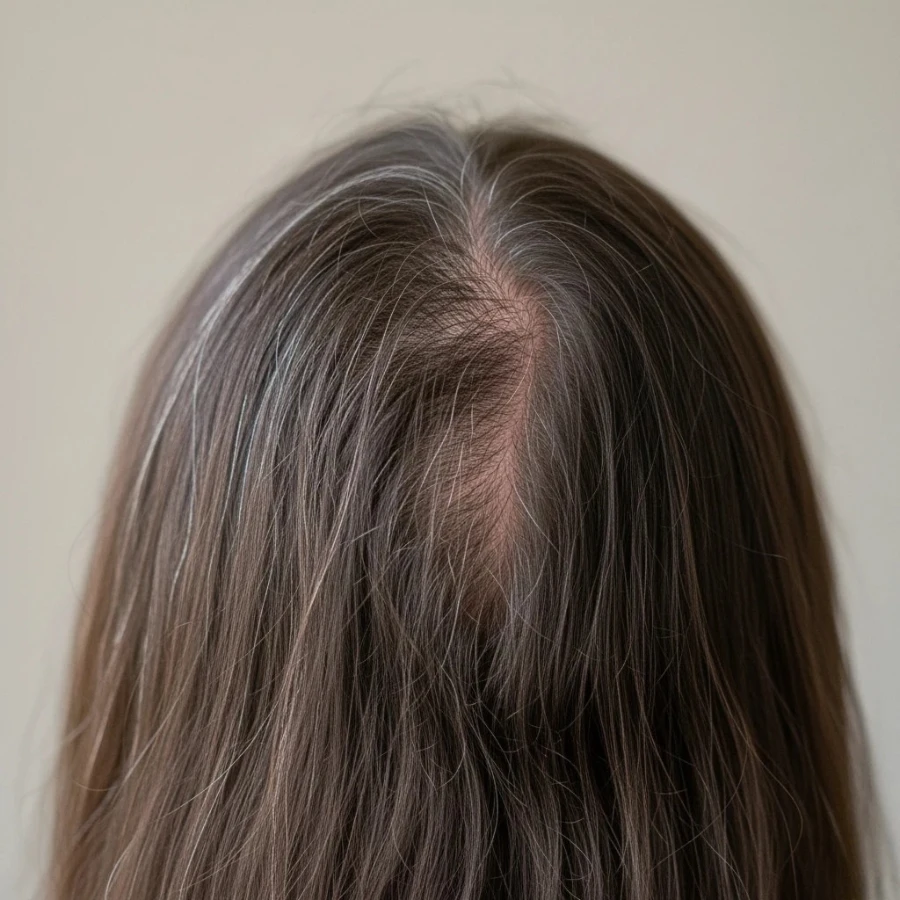
Most common signs of trichotillomania
Irregular patches
Unlike round alopecia patches, these areas are often irregular in shape and appear on the side of the head matching your dominant hand.
Broken hairs
The patch contains hairs of varying lengths—some broken close to the scalp, others regrowing.
Scalp trauma
Visible scratches, redness, or infection risk from repetitive pulling.
Relief
A feeling of tension before pulling and relief or gratification afterwards.

Who trichotillomania affects
It often begins in early adolescence (ages 10–13) but can persist into adulthood. It affects women more frequently than men. It is a solitary condition, meaning many sufferers hide it from friends and family for decades.
Why early assessment of trichotillomania matters
Constant pulling causes “traction alopecia.” If hair is pulled out repeatedly over many years, the follicle becomes traumatised and may die, leading to permanent baldness even if the pulling stops. We help you assess the damage:
- Follicle health: are they still alive?
- Scalp health: is there infection or inflammation?
- Barrier aids: physical barriers and therapies to help the scalp heal
A safe space in Sussex & Kent
We treat patients from Tunbridge Wells, Sevenoaks, Brighton, and Eastbourne. You do not need to explain yourself or feel embarrassed. We have seen this many times and are here to help you recover, not to judge.
Related conditions
Other hair loss conditions we treat
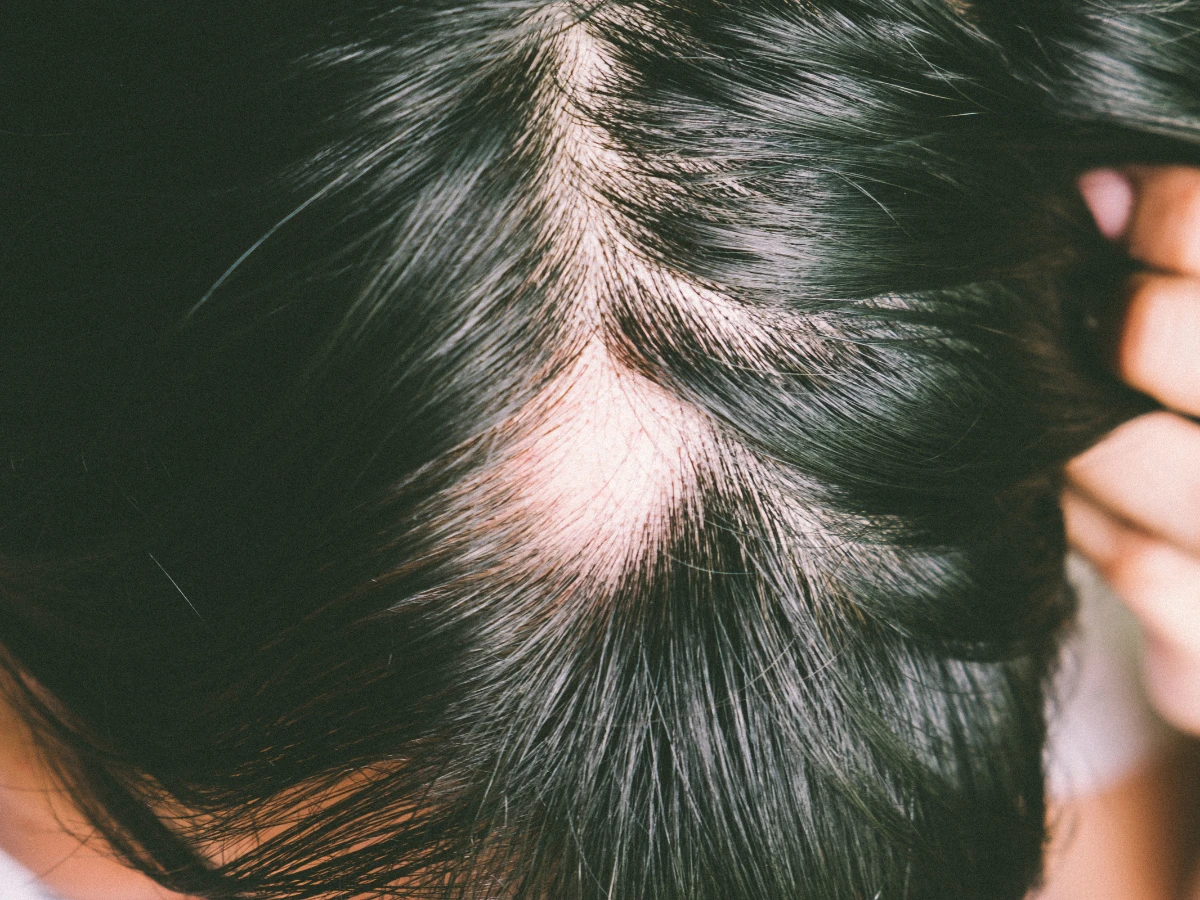
Traction Alopecia
This form of hair loss is caused by localised, repetitive tension on the hair roots from tight hairstyles like braids, extensions, or ponytails.
Prevent traction hair loss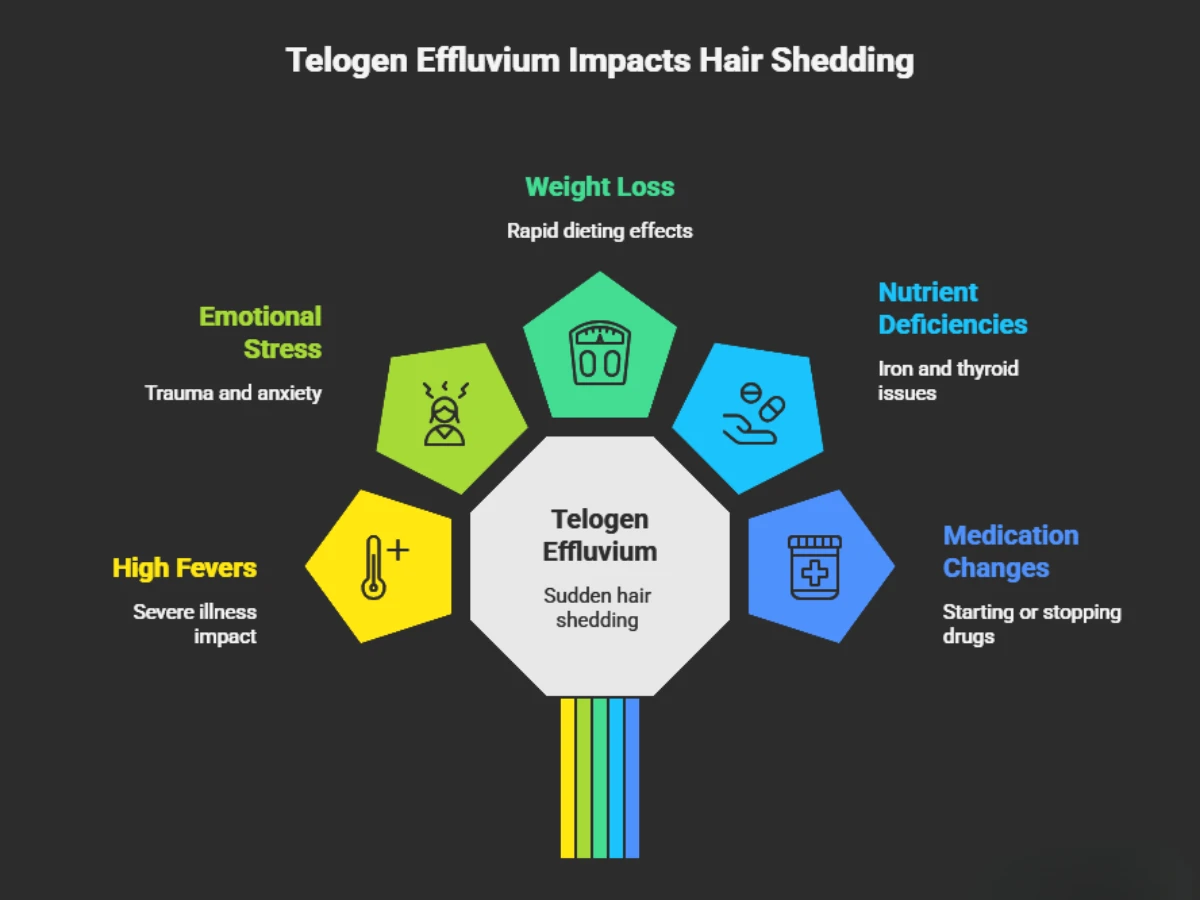
Telogen Effluvium
This temporary form of hair loss triggers a sudden, widespread shedding across the entire scalp, often caused by stress, illness or nutritional deficiencies.
Stop the shedding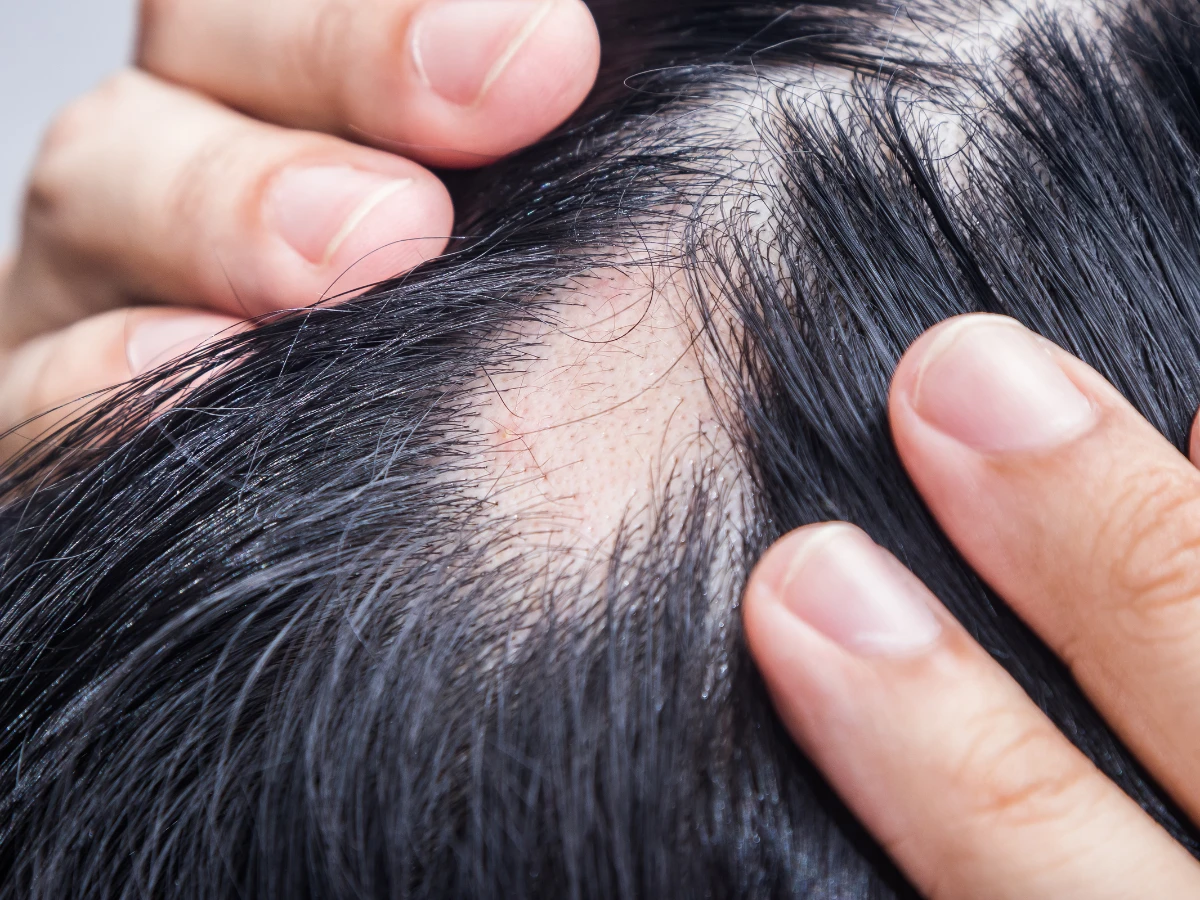
Alopecia Areata
This unpredictable autoimmune condition occurs when the body’s immune system mistakenly attacks healthy hair follicles, typically presenting as smooth, round patches of hair loss.
Learn about alopecia areataConfidential help
Check the health of your scalp in a strictly private consultation.