
What is hair breakage?
It is important to distinguish breakage from hair loss. “Hair loss” happens at the root (the follicle). “Breakage” happens along the hair shaft.
If your hair is breaking, the root is still producing hair, but the structure of the strand has been compromised. The outer layer (cuticle) is damaged, exposing the inner core (cortex), causing the fibre to snap. This often leads to the complaint: “My hair is growing, but it never gets any longer.”
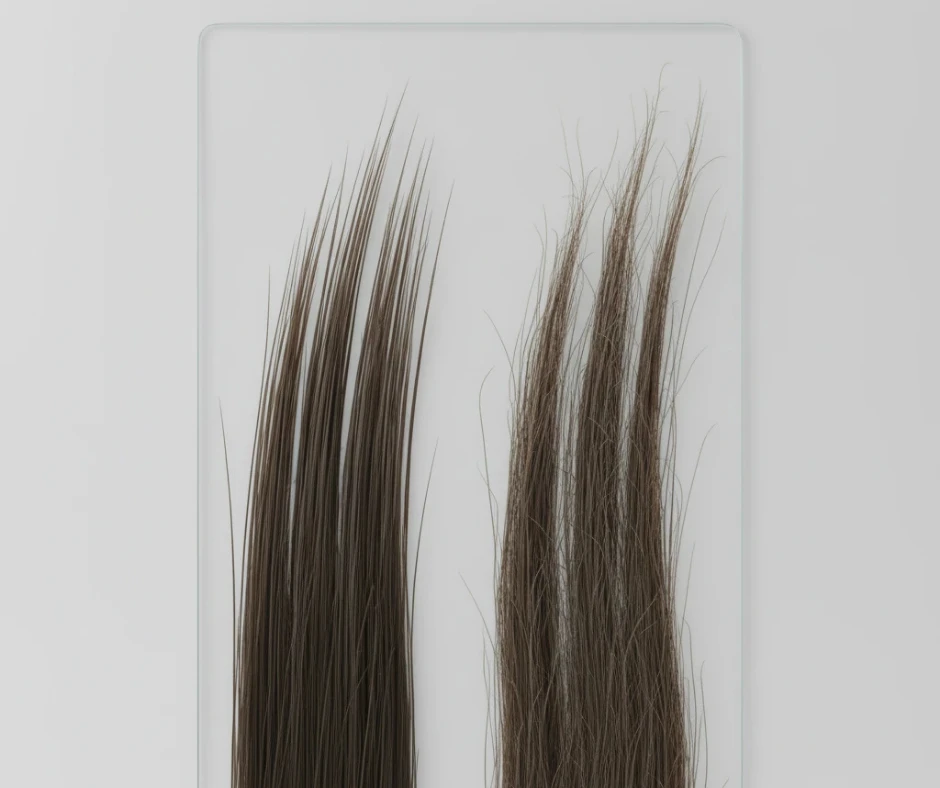
Most common signs of hair breakage
White dots
Small specks at the ends or mid-shaft of the hair where it has fractured.
Short hairs on clothes
Finding short pieces of hair on your shoulders or pillow, rather than long strands with a white bulb at the end.
Rough texture
Hair feels straw-like, mushy when wet, or tangles excessively.
Lack of shine
Dullness caused by the cuticle scales being lifted or stripped away.
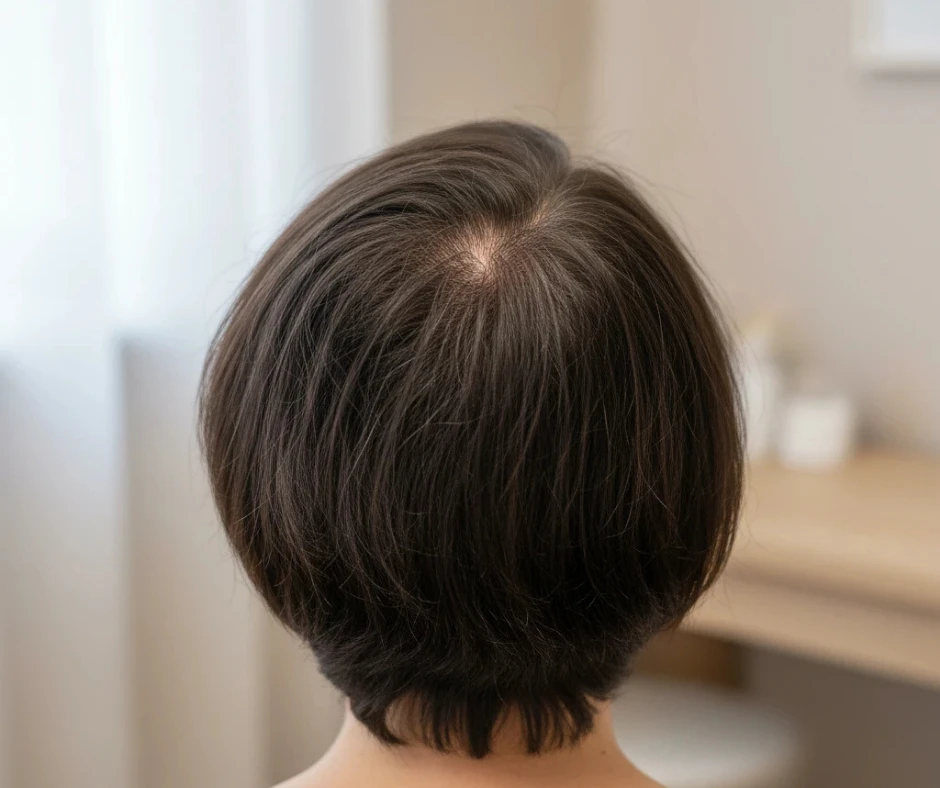
Who hair breakage affects
Breakage is usually self-inflicted or environmental. It affects those who:
- Bleach or chemically straighten/relax their hair
- Overuse heat tools (straighteners, curlers) without protection
- Have nutritional deficiencies (low iron or protein) causing weak hair construction
- Have aggressive brushing habits
Why early assessment of hair breakage matters
While a haircut can remove split ends, it doesn’t solve the underlying weakness. If the breakage is caused by an internal nutritional issue or a specific chemical incompatibility, ignoring it will lead to continued degradation of hair quality. We analyse the hair shaft and your history to create a plan that restores moisture, protein, and elasticity to your hair.
Expert advice in Brighton & Hove area
Located near the fashion hubs of Brighton, Hove, and Worthing, we regularly help clients whose hair has been compromised by over-styling or colour correction gone wrong.
Related conditions
Other hair loss conditions we treat
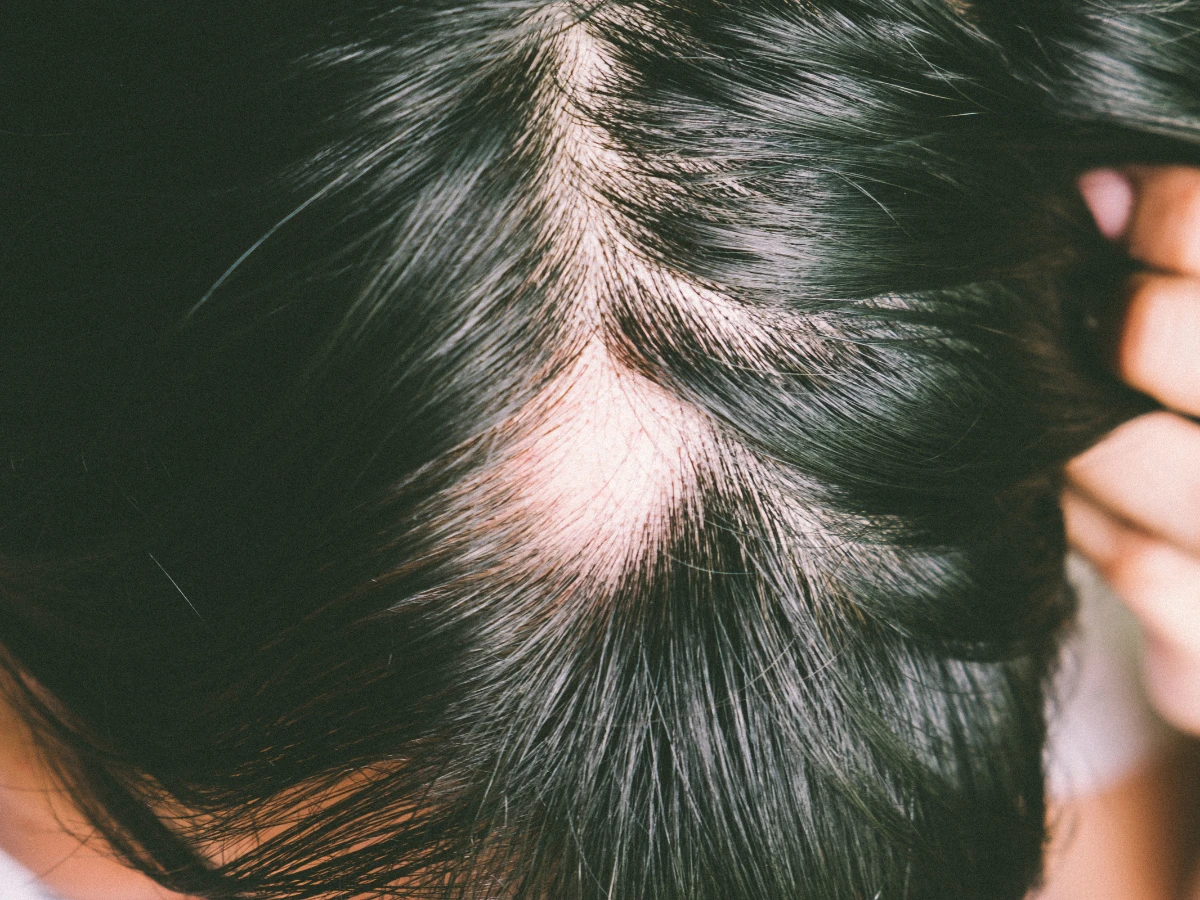
Traction Alopecia
This form of hair loss is caused by localised, repetitive tension on the hair roots from tight hairstyles like braids, extensions, or ponytails. Continuous pulling damages the follicles over time, leading to thinning, particularly along the hairline. Early lifestyle adjustments and targeted scalp therapies can fully reverse the damage.
Prevent traction hair loss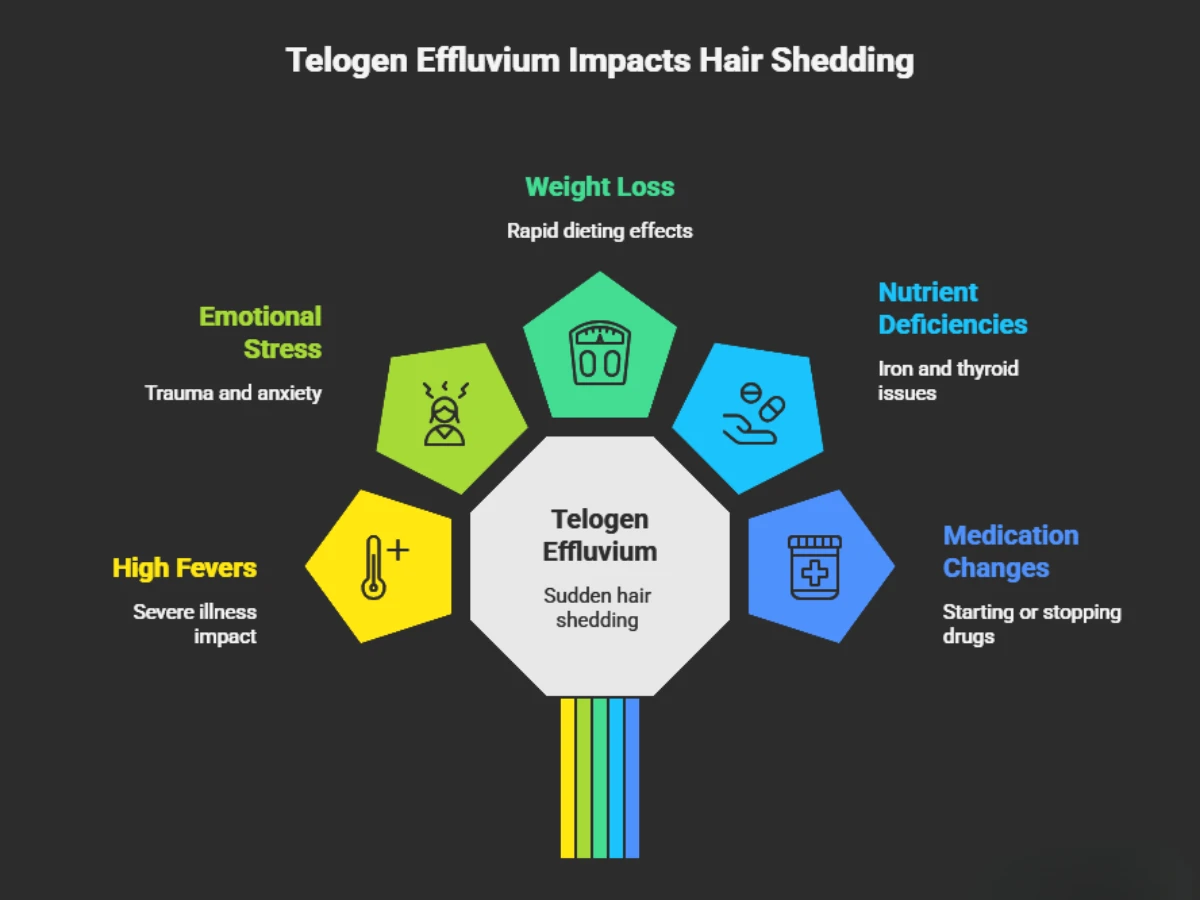
Telogen Effluvium
This temporary form of hair loss triggers a sudden, widespread shedding across the entire scalp, often caused by stress, illness or nutritional deficiencies.
Stop the shedding
Menopause Hair Loss
As estrogen levels drop during perimenopause and menopause, hair can become finer, drier, and prone to falling out.
Menopause & hair care