
What is eyebrow hair loss?
Eyebrows are a critical feature of facial communication and aesthetics. Their loss (clinically known as Madarosis) is rarely an isolated “cosmetic” issue; it is often a biological indicator of what is happening inside your body.
While over-plucking is a common cause, persistent thinning or total loss of the brow hair can signal autoimmune conditions, hormonal imbalances, or skin disorders that require professional attention.
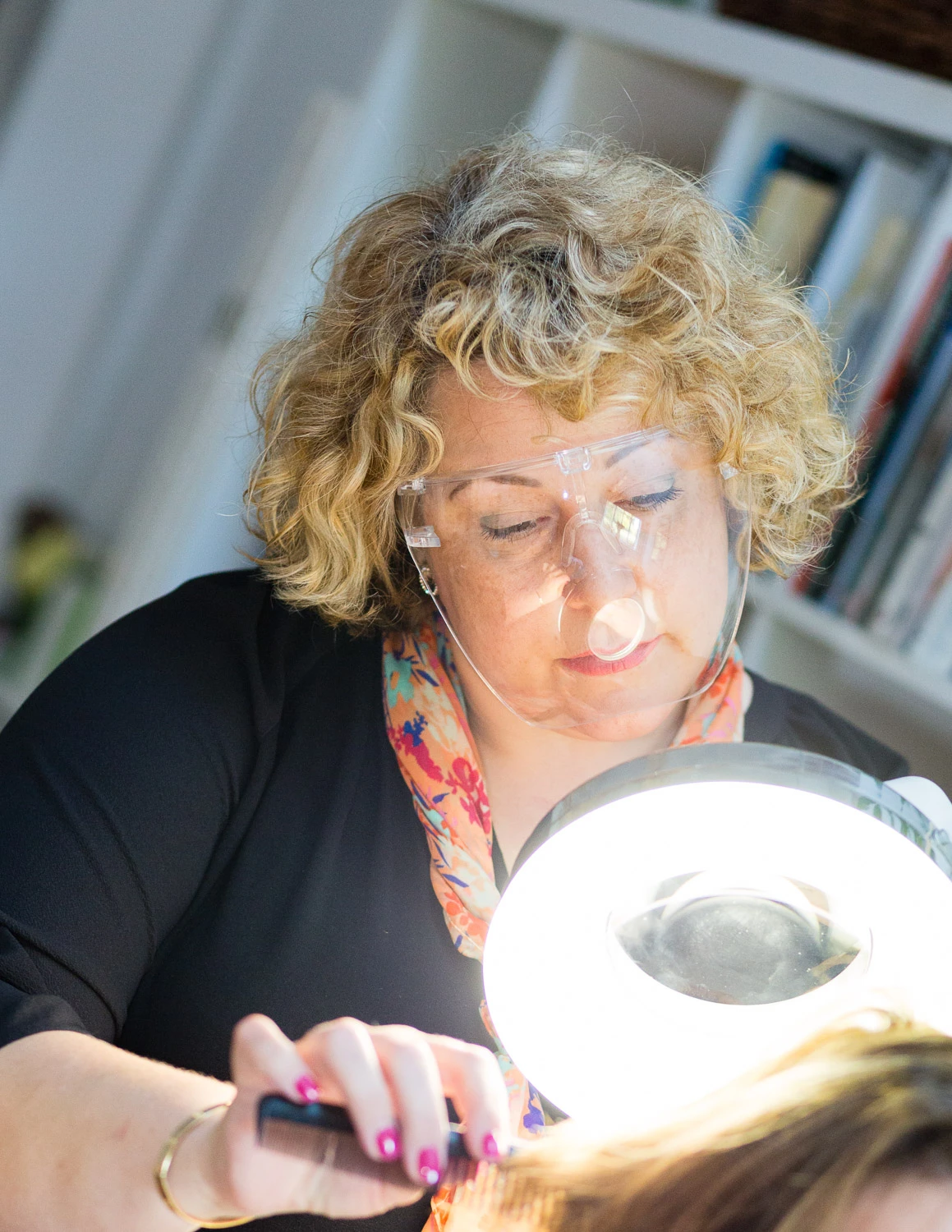
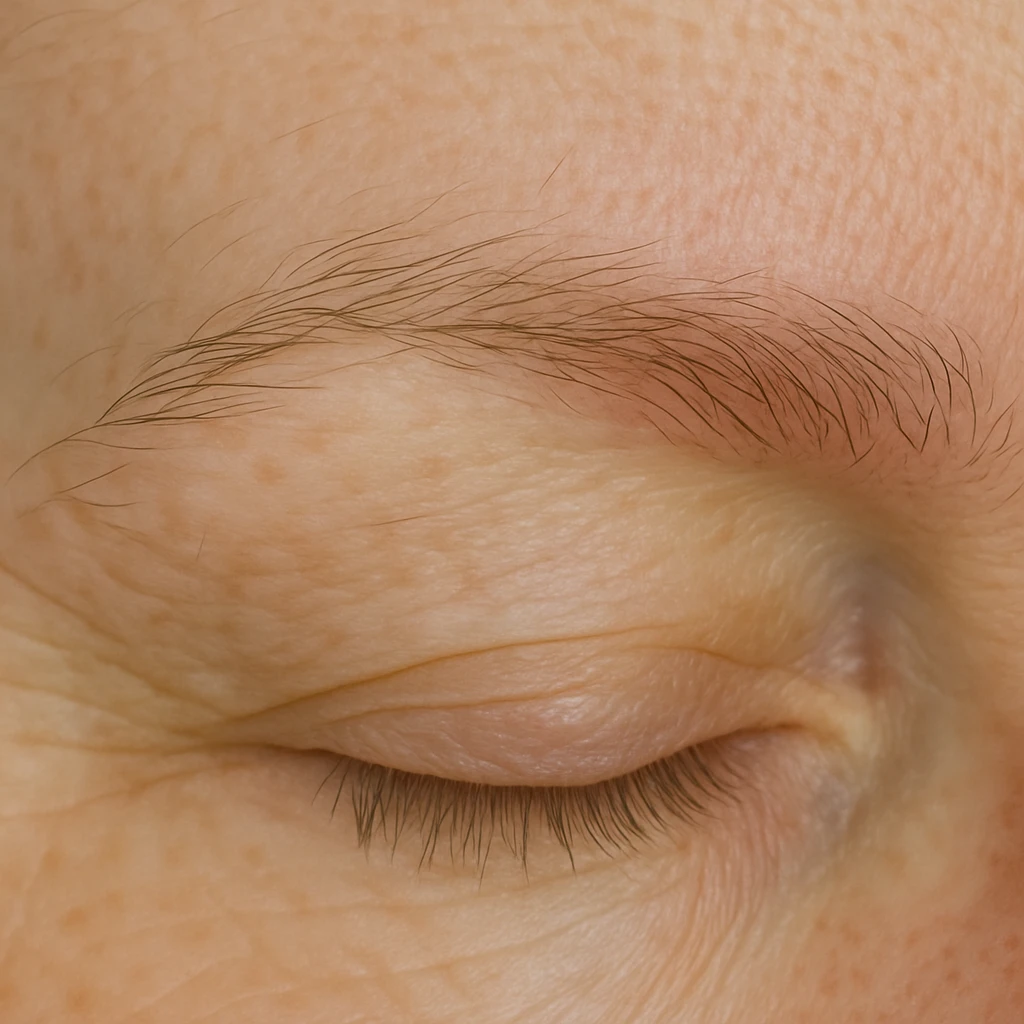
Most common signs of eyebrow hair loss
Hertoghe’s sign
Thinning specifically on the outer third of the eyebrow. This is a classic symptom of hypothyroidism (underactive thyroid).
Patchy loss
Small, smooth, round gaps in the brow, which may indicate alopecia areata.
General density loss
The brows become sparse, pale, and require daily penciling to be visible.
Itching or flaking
Redness or scale in the brow area (seborrhoeic dermatitis).
Who eyebrow hair loss affects
The “over-plucking” generation
Women who aggressively shaped their brows in the 90s and 2000s may find follicles have been permanently traumatised.
Thyroid patients
Men and women with hormonal imbalances.
Aging adults
Natural thinning occurs with age, but sudden loss is not normal.
Why early assessment of eyebrow hair loss matters
It is vital to determine if the loss is scarring or non-scarring. If the loss is due to Frontal Fibrosing Alopecia (a condition that often destroys eyebrows first), the skin heals over the follicle, making regrowth impossible. Early diagnosis allows us to use anti-inflammatory treatments to stop this process and save the remaining brow hair.
If the cause is systemic (like thyroid function), we can identify it and refer you for medical management, while we treat the cosmetic density.
Serving Sussex & Surrey
We provide a discreet service for patients in Haywards Heath, Burgess Hill, Horsham, and Crawley who want to understand why their eyebrows are disappearing and what can be done to restore them.
Related conditions
Other hair loss conditions we treat
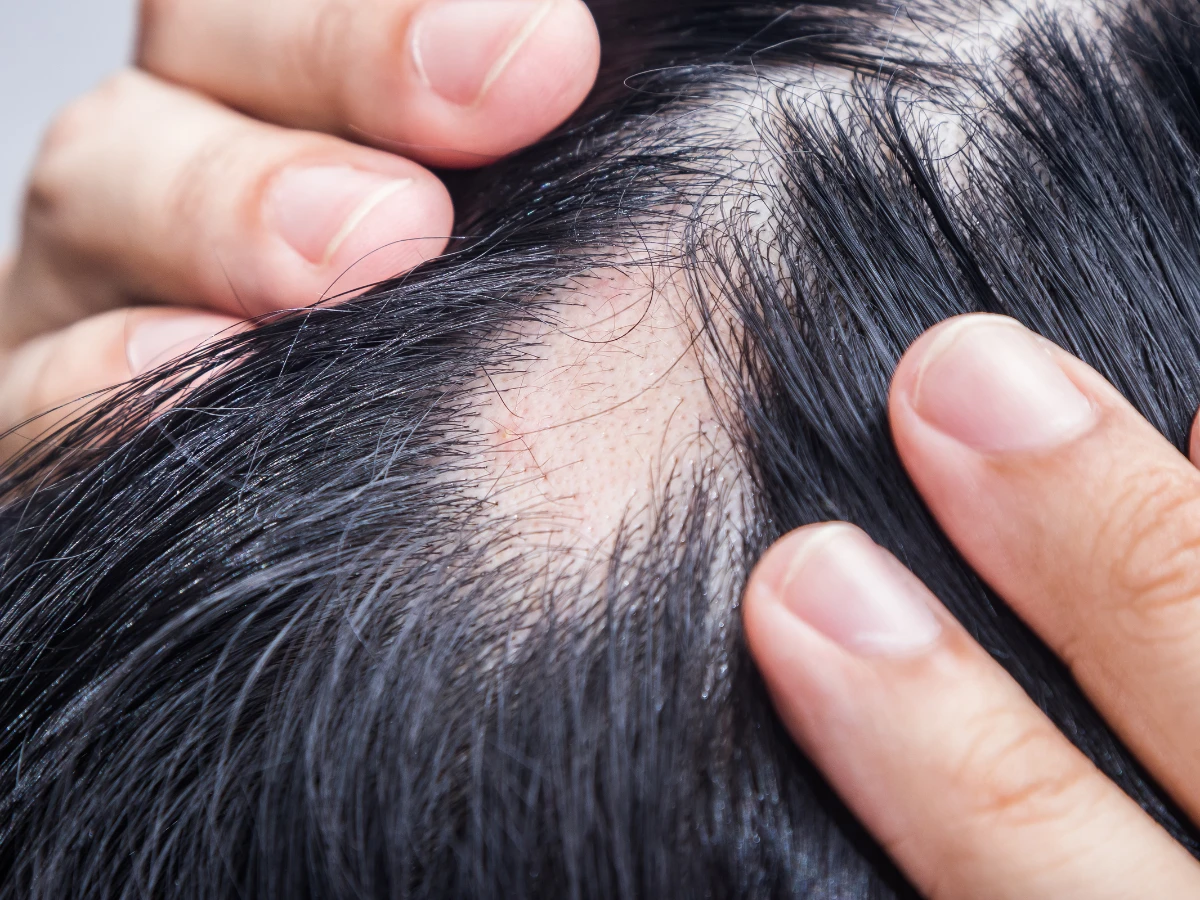
Alopecia Areata
This unpredictable autoimmune condition occurs when the body’s immune system mistakenly attacks healthy hair follicles, typically presenting as smooth, round patches of hair loss.
Learn about alopecia areata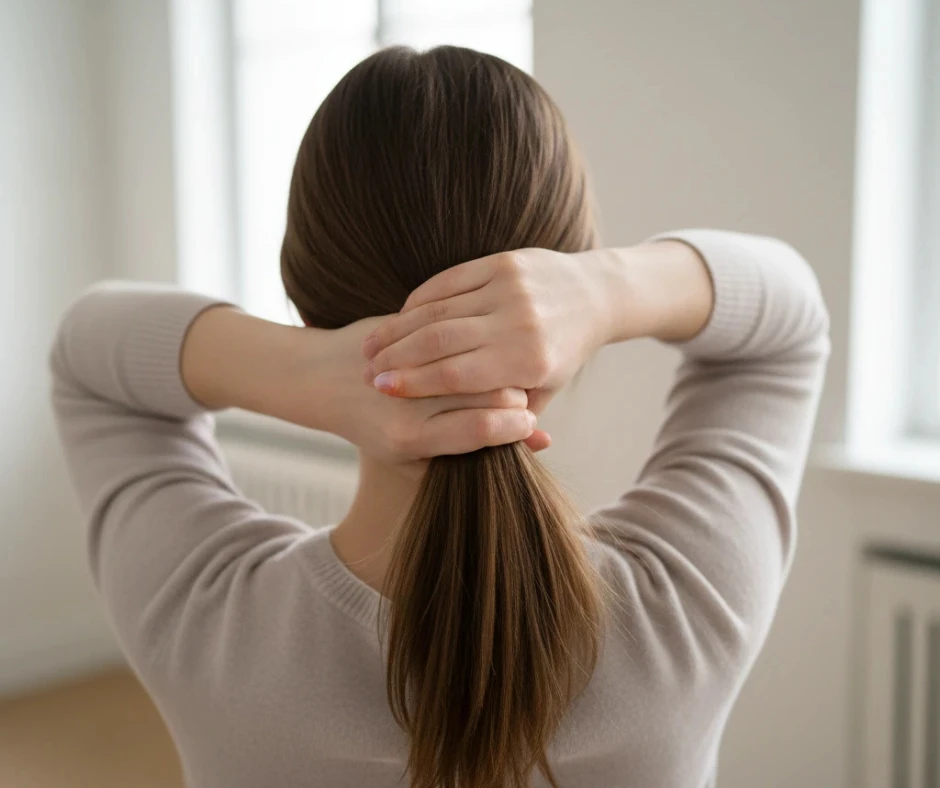
PMOS (PCOS)-Related Hair Loss
Polyendocrine metabolic ovarian syndrome creates a hormonal imbalance (excess androgens) that can trigger thinning hair in women.
View PMOS (PCOS) hair solutions
Menopause Hair Loss
As estrogen levels drop during perimenopause and menopause, hair can become finer, drier, and prone to falling out.
Menopause & hair careRestore your brows
Stop the loss before it becomes permanent. Get a professional opinion.