
What is traction alopecia?
Traction alopecia is a form of hair loss caused by constant, repetitive pulling on the hair roots. Unlike genetic hair loss, this is a mechanical injury.
When hair is pulled tight for long periods—whether via braids, weaves, heavy extensions, or even strict ponytails—the constant tension inflames the follicle. Eventually, the follicle is damaged so severely that it scars over and ceases to produce hair. The good news: if caught early, it is completely reversible.
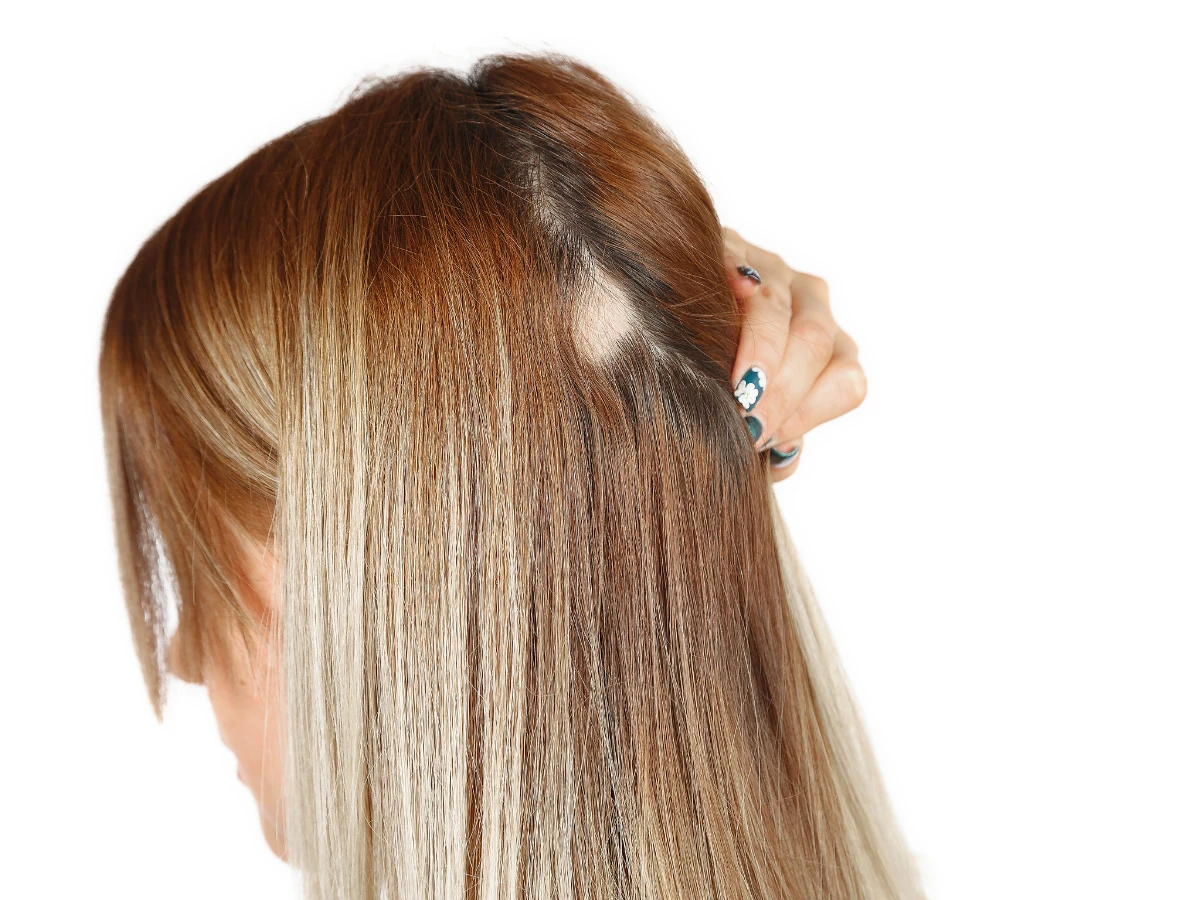
Most common signs of traction alopecia
Receding frontal hairline
The hairline starts to move back, often symmetrically.
Fringe sign
A specific pattern where fine hair at the very edge remains, but a band of hair behind it is lost.
Redness or bumps
You may see small pimples (folliculitis) or redness at the base of the pulled hairs—a warning sign of active inflammation.
Soreness
Your scalp feels tender or painful after undoing a style.
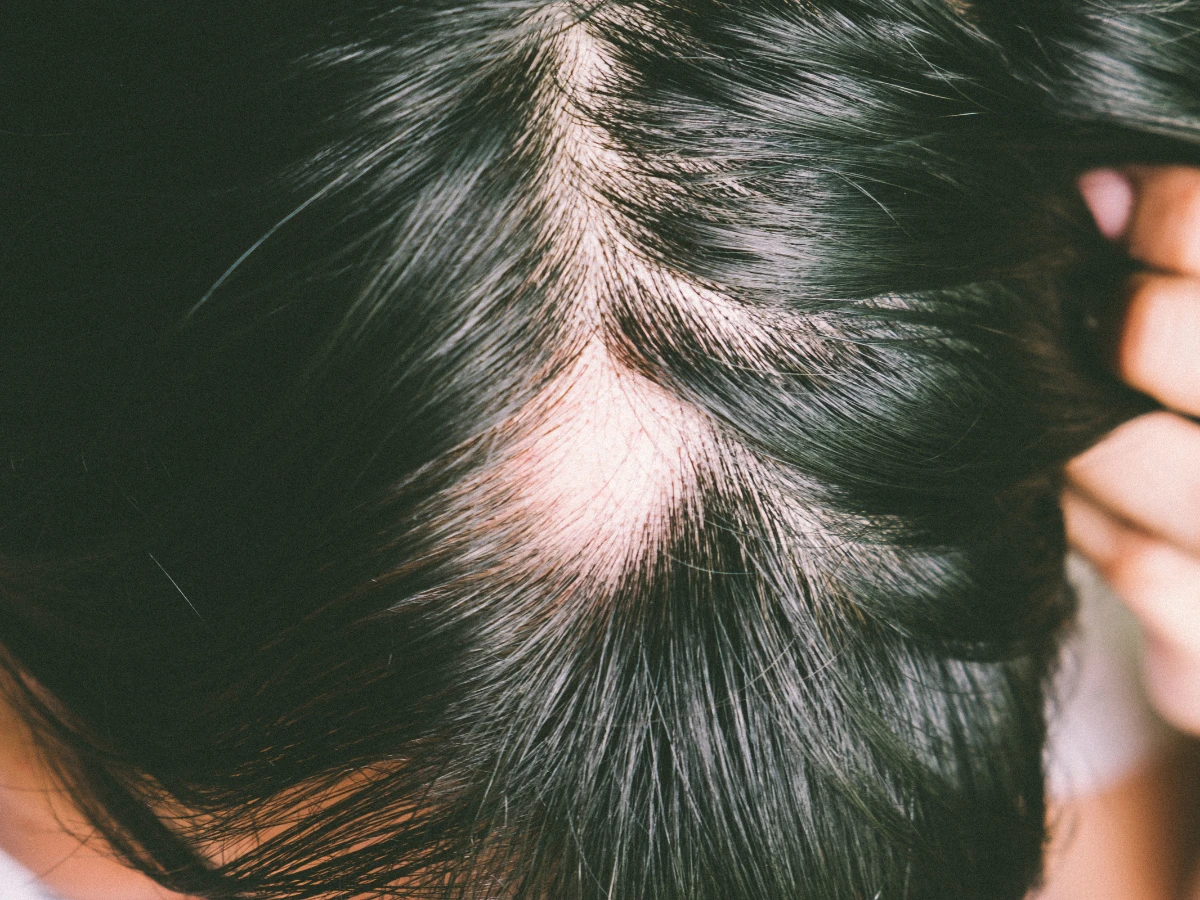
Who traction alopecia affects
Gymnasts and dancers, men who wear tight “man buns” or cornrows, and people who wear tight helmets or headwear daily are especially at risk:
- Gymnasts and dancers (tight buns)
- Men who wear tight “man buns” or cornrows
- People who wear tight helmets or headwear daily
Why early assessment of traction alopecia matters
There is a “point of no return” with traction alopecia. Initially, the hair grows back if the tension stops. However, if the trauma continues for years, the follicle dies and is replaced by scar tissue (cicatricial alopecia). Once scarring occurs, regrowth is impossible. We assess the health of your follicles to determine if they are still viable and advise on safe styling changes to save your hair.
Serving Sussex & Surrey
We provide a non-judgmental environment to discuss styling habits. Patients visit us from Crawley, Redhill, Horsham, and Brighton to get honest advice on how to maintain their style without sacrificing their hairline.
Related conditions
Other hair loss conditions we treat
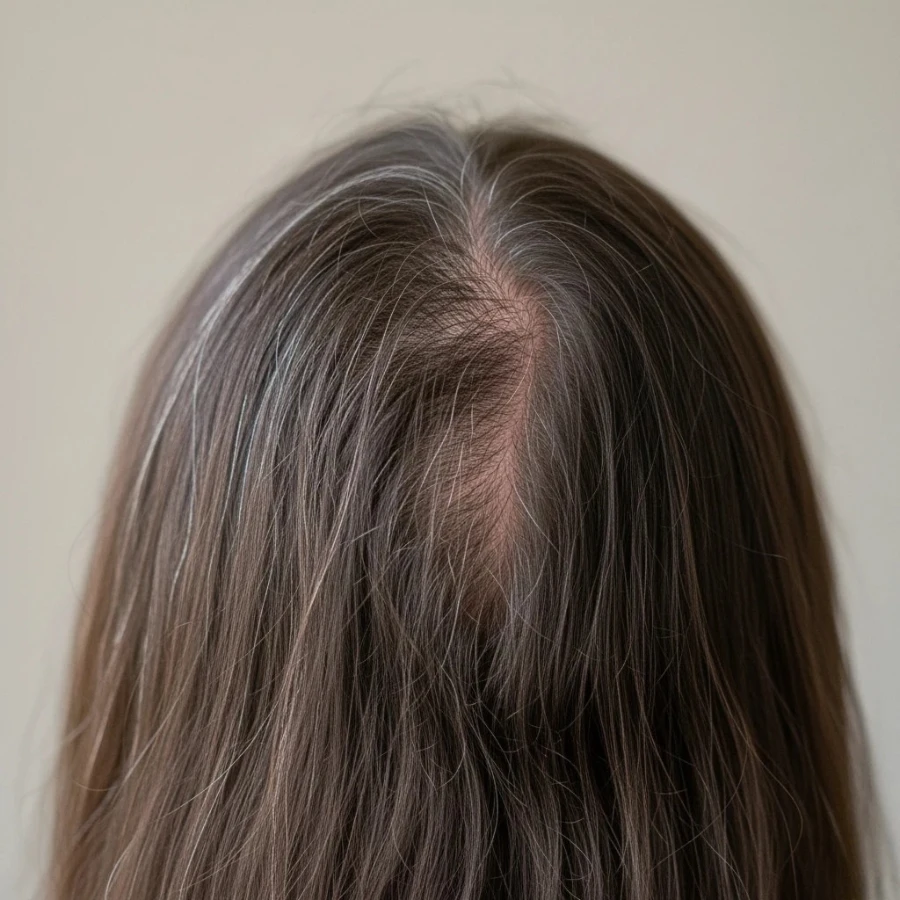
Trichotillomania (Hair Pulling)
This is an impulse control disorder involving the urge to pull out one’s own hair. We offer a non-judgmental, compassionate environment to assess the damage.
Support for hair pulling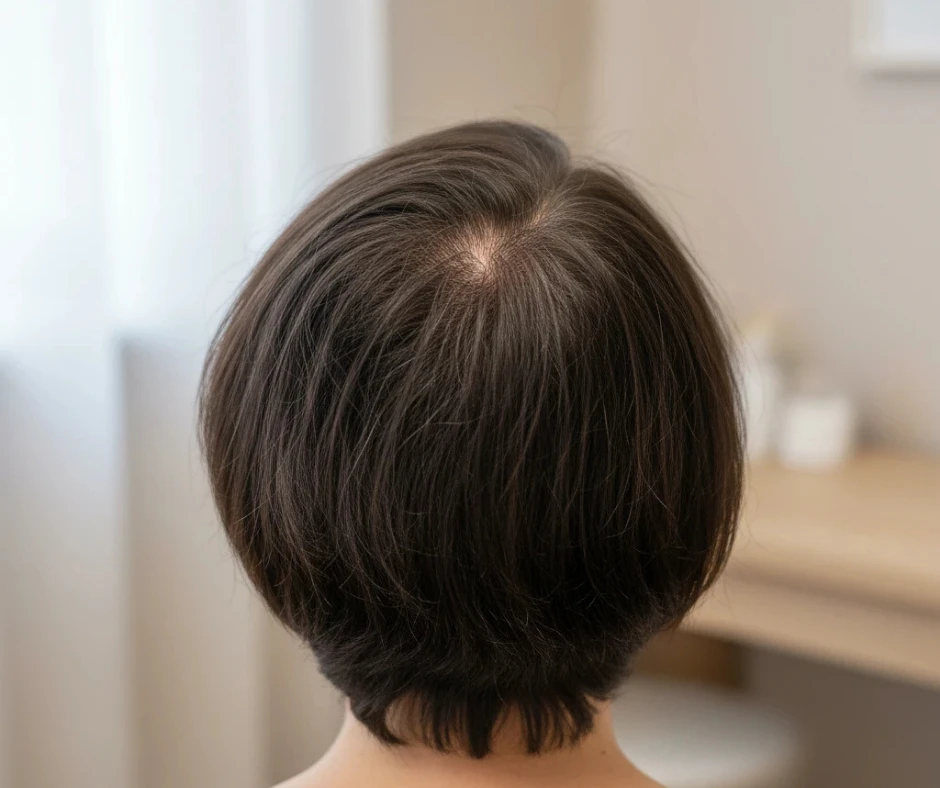
Hair Breakage & Damage
Unlike structural hair loss from the root, this issue involves physical snapping along the hair shaft, primarily caused by heat styling or harsh chemical treatments.
Fix damaged hair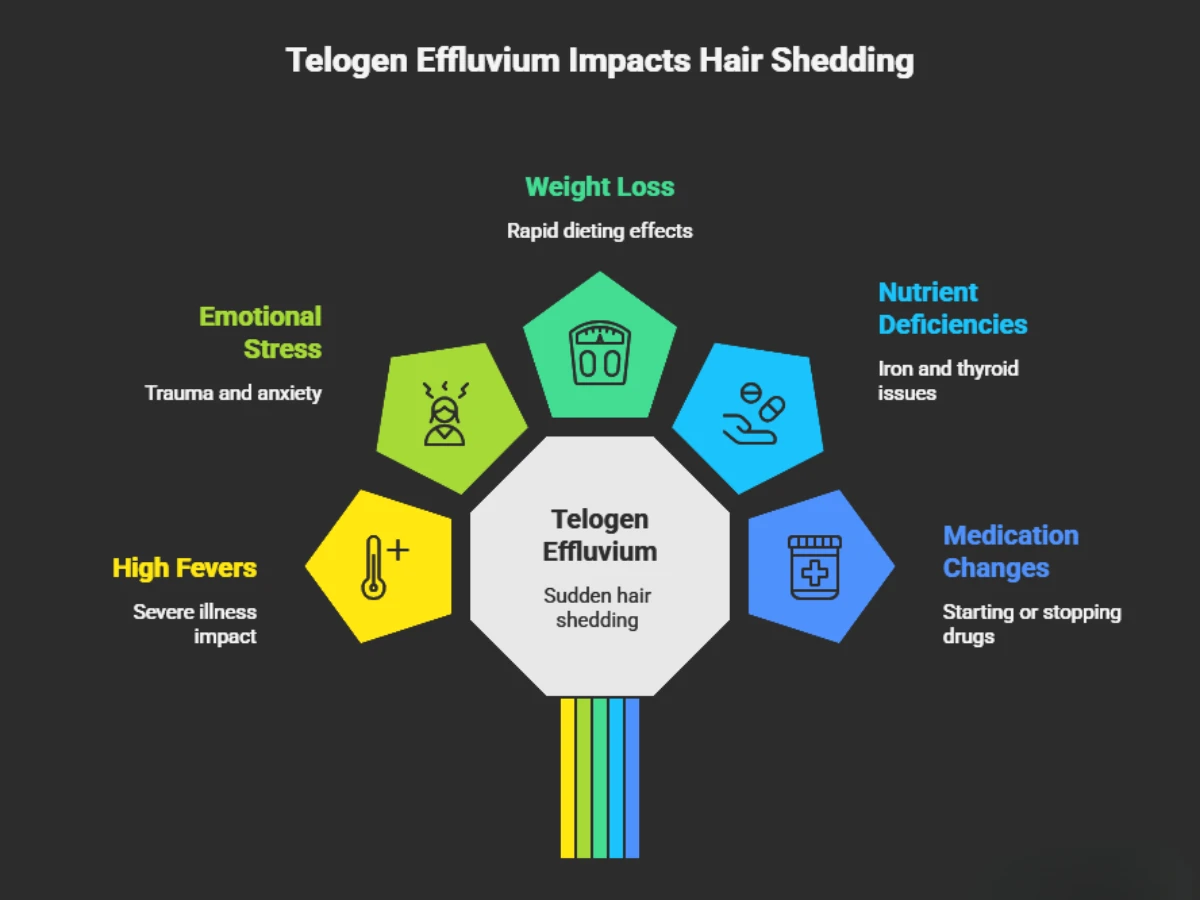
Telogen Effluvium
This temporary form of hair loss triggers a sudden, widespread shedding across the entire scalp, often caused by stress, illness or nutritional deficiencies.
Stop the sheddingSave your hairline
Don’t let your hairstyle cause permanent damage. Book a check-up today.