
What is Telogen Effluvium?
Telogen Effluvium is a frightening condition characterised by a sudden, dramatic increase in hair shedding. Unlike genetic thinning, which is slow, this condition often feels like it happens “overnight.”
It occurs when a physiological stressor shocks a large number of hair follicles, pushing them prematurely from the growing phase (Anagen) into the resting/shedding phase (Telogen). The hair typically falls out 2 to 3 months after the trigger event.

Most common signs of Telogen Effluvium
Hair everywhere
You find significantly more hair in the shower drain, on your hairbrush, or on your clothes.
Thinner ponytail
A rapid decrease in volume — up to 50% can be lost quickly.
No bald patches
The loss is usually diffuse (all over the scalp) rather than in specific round patches.
Scalp tenderness
Some patients report a sensation of soreness or tingling (trichodynia) accompanying the shedding.

Who Telogen Effluvium affects
This condition can affect anyone at any age, including children, but is most commonly seen in women aged 20–60. Common triggers include:
- High fevers or severe illness (including post-COVID hair loss)
- Extreme emotional stress or trauma
- Rapid weight loss or crash dieting
- Iron deficiency or thyroid imbalance
- Starting or stopping medication
Why early assessment of Telogen Effluvium matters
While Telogen Effluvium is often temporary, it can become chronic if the underlying trigger is not identified and resolved. You cannot simply “wait it out” if the cause is a nutritional deficiency or hormonal imbalance.
We conduct a thorough investigation—often recommending specific blood tests—to pinpoint the cause. Once the trigger is removed, we provide clinical therapy to speed up recovery and regrowth.

Local clinic for Sussex & Kent
If you are panicked by sudden hair fall, you need answers fast. We provide expert diagnosis for residents across Sussex and Kent, including Lewes, Uckfield, Sevenoaks, and Worthing.
Related conditions
Other hair loss conditions we treat

Female Pattern Hair Loss
This genetic condition causes a gradual reduction in hair density across the top and crown of the scalp, while the front hairline typically remains intact.
Read more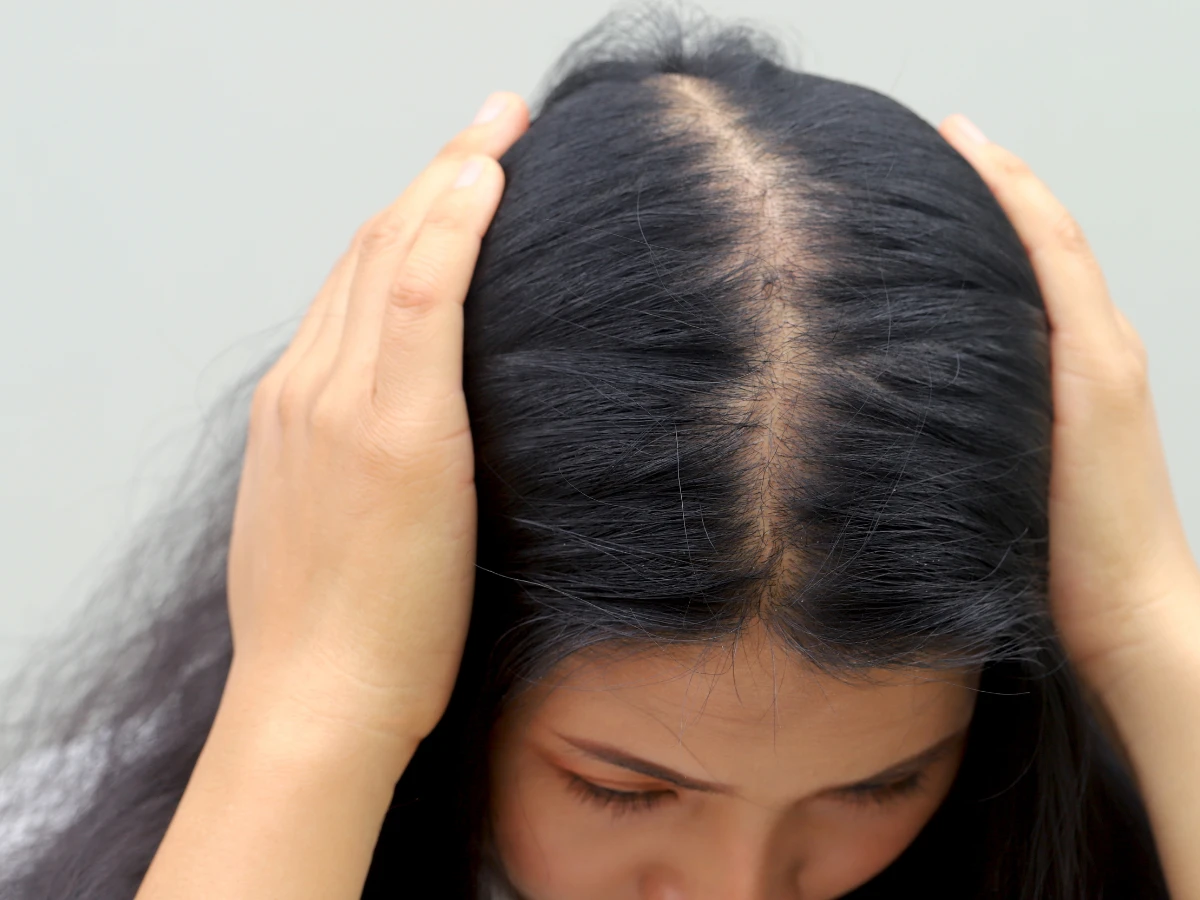
Post-Pregnancy Hair Loss
It is common to lose hair 3–6 months after giving birth due to rapidly falling hormone levels.
Read more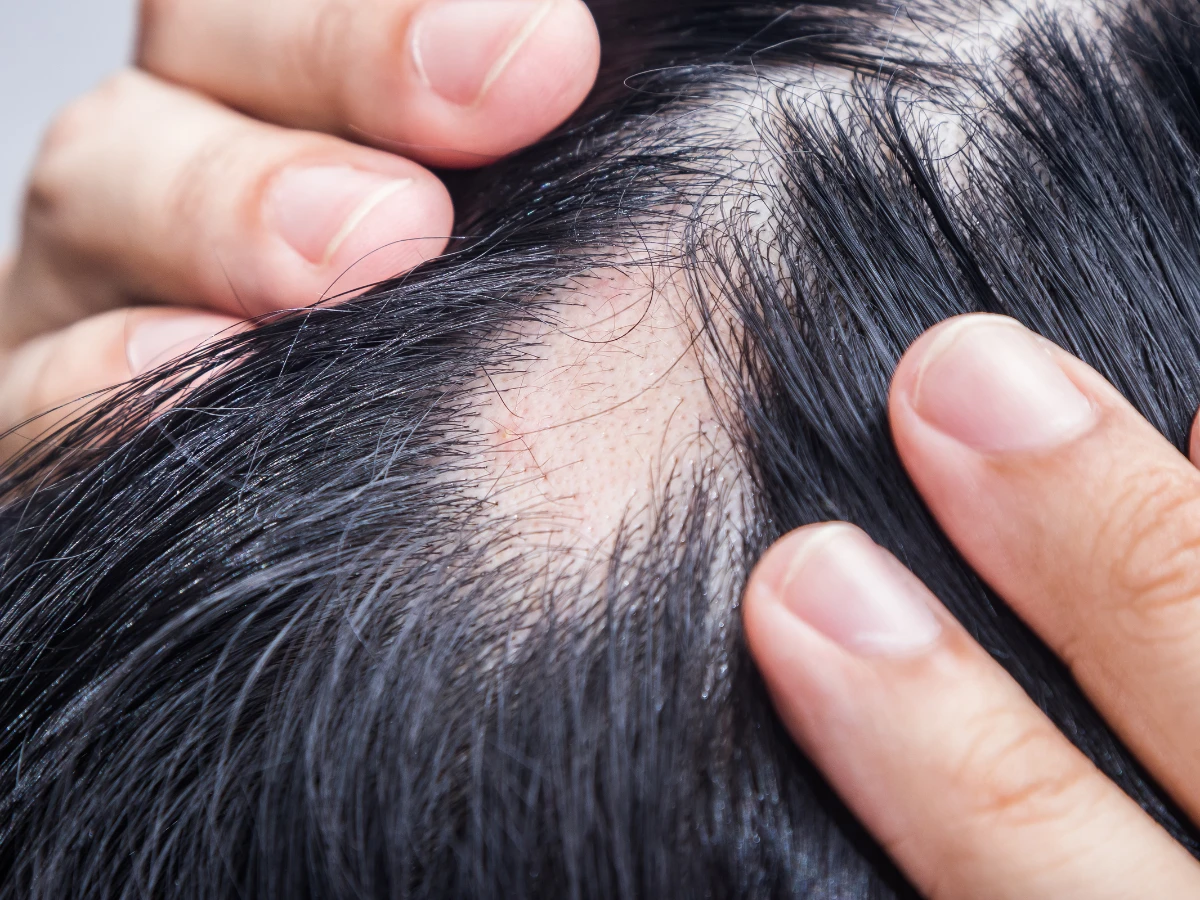
Alopecia Areata
This unpredictable autoimmune condition occurs when the body’s immune system mistakenly attacks healthy hair follicles, causing sudden hair fall.
Read moreStop the shedding
Let’s find the root cause and get your hair cycle back to normal.