
What is Post-Pregnancy Hair Loss?
Often called “Postpartum Alopecia” or Telogen Gravidarum, this is a reactive shedding condition. During pregnancy, high estrogen levels keep your hair in the “growth phase” for longer than usual, giving you that thick, lustrous “pregnancy hair.”
After birth, estrogen levels drop rapidly to normal levels. This sudden shift shocks the hair follicles, causing the excess hair that was “held” during pregnancy to shed all at once. While natural, the volume of loss can be terrifying for new mothers already dealing with sleep deprivation and stress.
Most common signs of post-pregnancy hair loss
Clumps in the shower
Sudden, heavy shedding typically starting 3 to 5 months after giving birth.
Receding temples
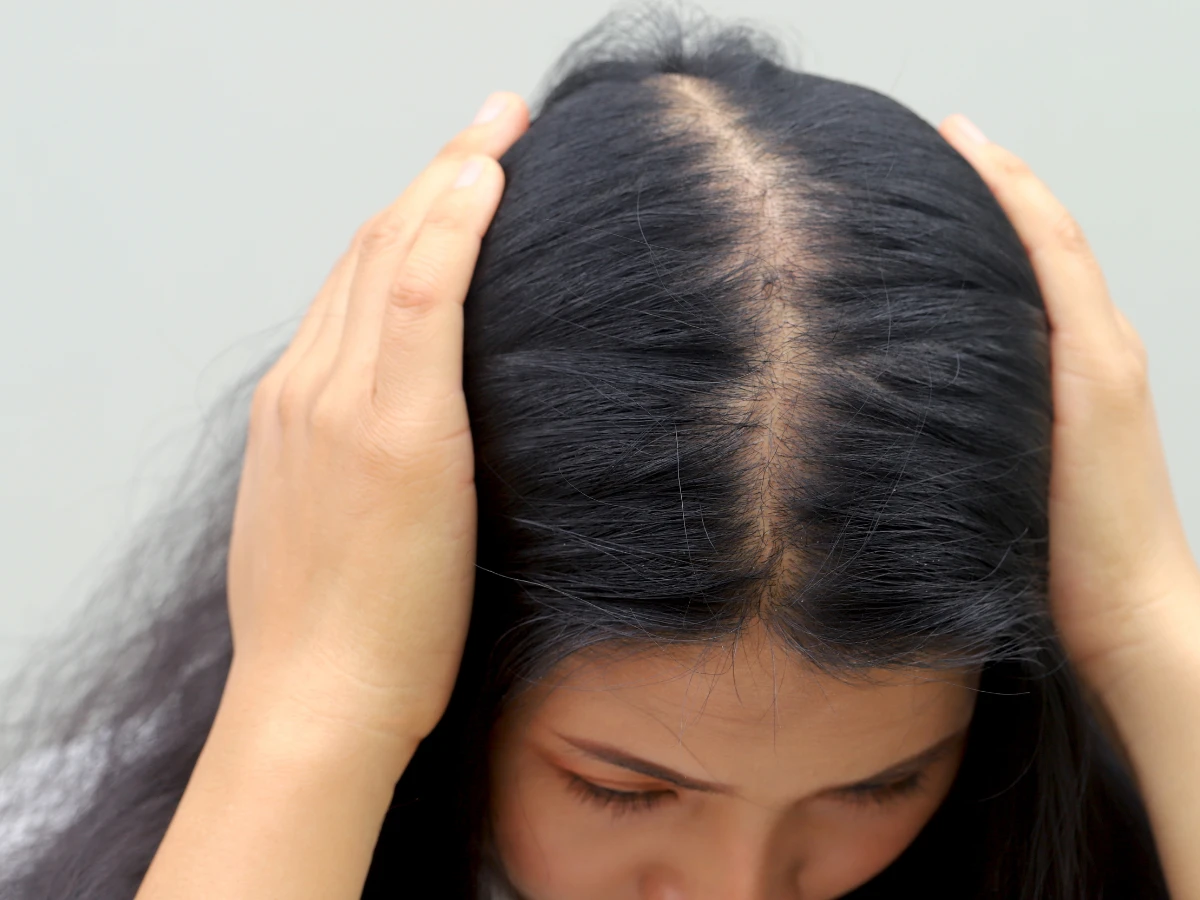
Many women notice significant thinning specifically around the hairline and temples (“baby hairs” eventually return).
Loss of density
The ponytail feels much thinner than it did during pregnancy.

Who post-pregnancy hair loss affects
This affects a significant percentage of new mothers. It is most acute in the first year postpartum. However, sleep deprivation and the nutritional demands of breastfeeding can exacerbate the issue.
Why early assessment of post-pregnancy hair loss matters
Most women are told “it will just grow back.” While often true, postpartum hair loss can mask other serious issues.
Iron deficiency (anaemia) and thyroid dysfunction are extremely common after childbirth and present with the exact same symptoms. If your hair loss persists beyond 6–9 months, or if you feel exceptionally fatigued, a proper trichological and blood analysis is vital to ensure you aren’t leaving a medical deficiency untreated.
Serving Sussex & Surrey families
We offer a calm, private environment for new mums. Located centrally for patients in Haywards Heath, Burgess Hill, Crawley, and Redhill, we can help you determine if your shedding is normal or requires intervention.
Related conditions
Other hair loss conditions we treat
Telogen Effluvium
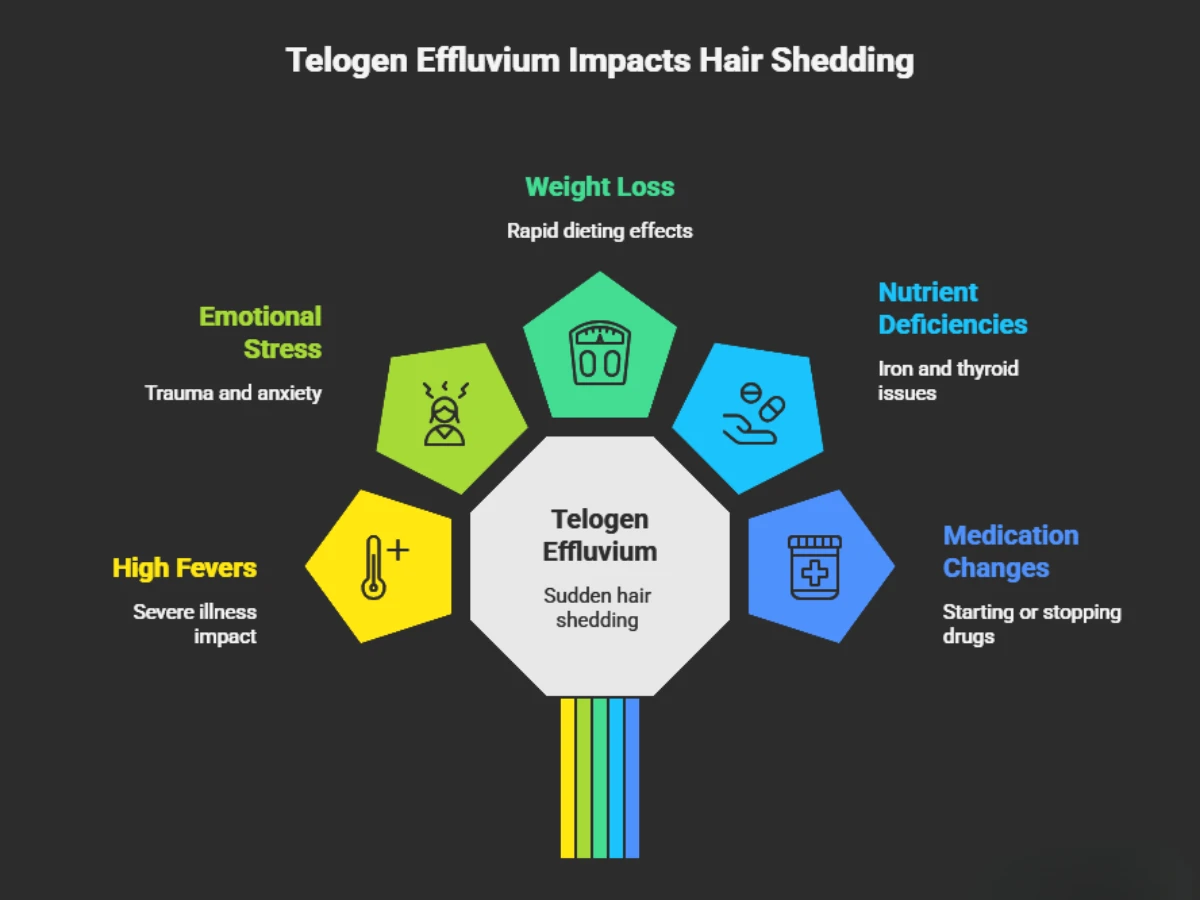
This temporary form of hair loss triggers a sudden, widespread shedding across the entire scalp.
Read more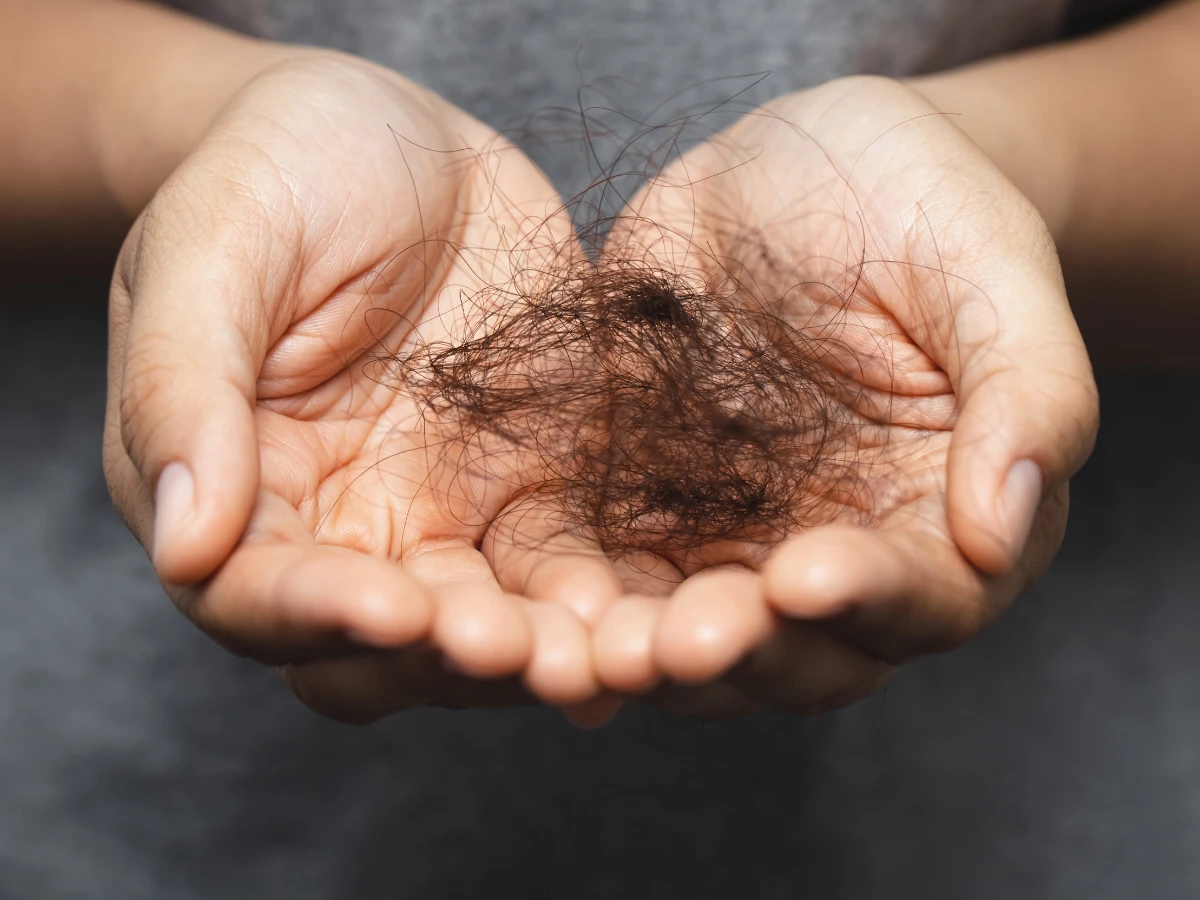
Menopause Hair Loss
As estrogen levels drop during perimenopause and menopause, hair can become finer, drier, and prone to falling out.
Read more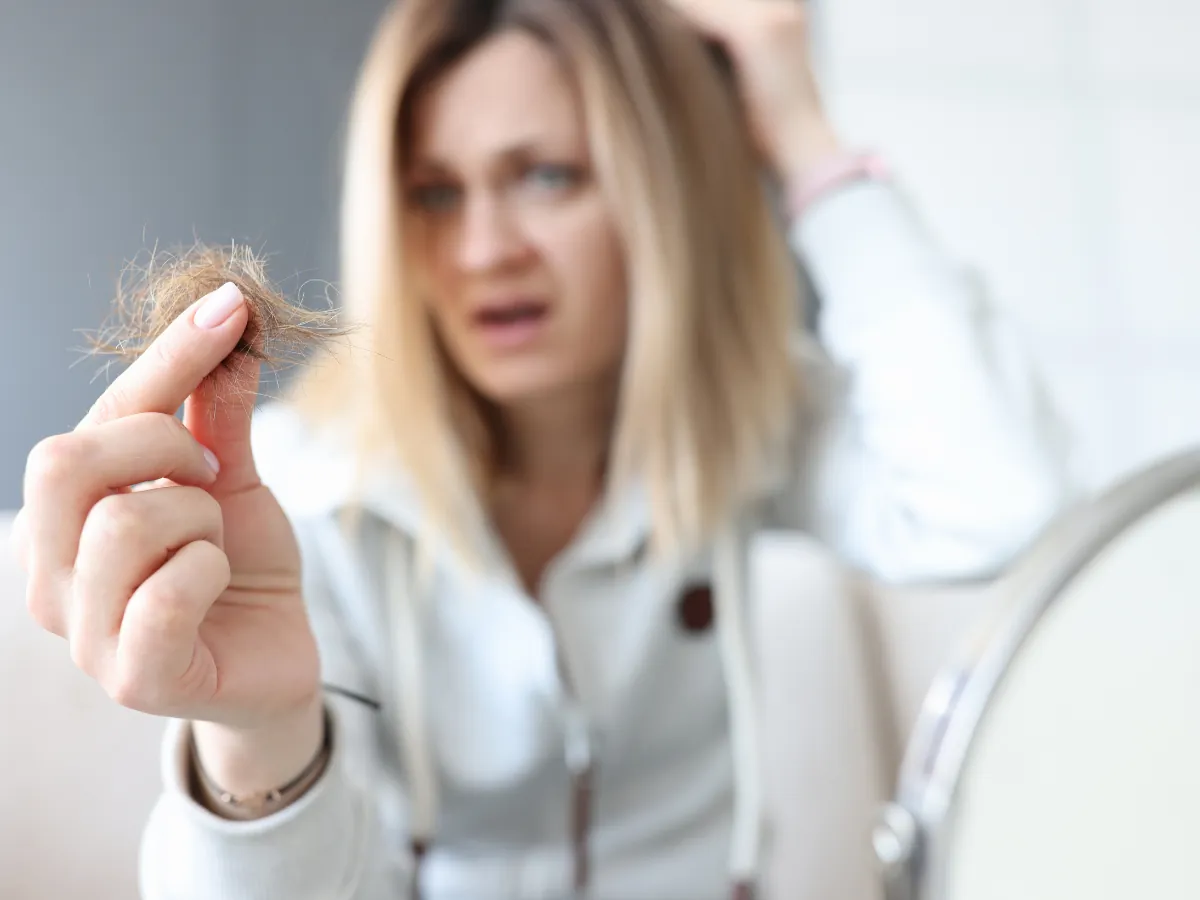
Female Pattern Hair Loss
This genetic condition causes a gradual reduction in hair density across the top and crown of the scalp, while the front hairline typically remains intact.
Read morePeace of mind for new mums
Let’s check your scalp health and nutrient levels to ensure a strong recovery.