
What is Alopecia Areata?
Alopecia Areata is an autoimmune condition where the body’s immune system mistakenly attacks the hair follicles, causing them to shut down and release the hair.
Unlike pattern balding, this is not usually hormonal. It is unpredictable and can be triggered by stress, illness, or shock, though often there is no obvious cause. It is a non-scarring alopecia, meaning the follicle is still alive and regrowth is possible.
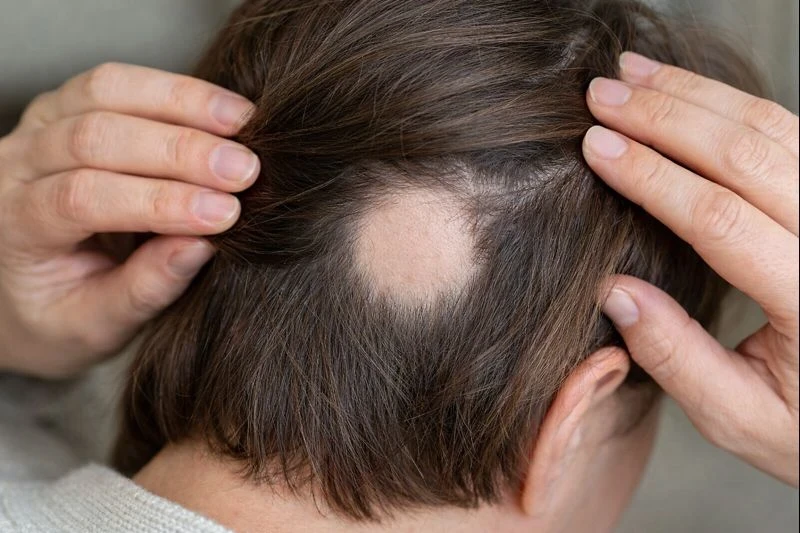
Most common signs of Alopecia Areata
Coin-sized patches
Smooth, round, completely bald patches appearing on the scalp or beard.
Sudden onset
Patches can appear over the course of just a few days.
“Exclamation mark” hairs
Short, broken hairs at the edge of the patch that narrow at the base.
Nail changes
Sometimes accompanied by pitting or ridges in fingernails.
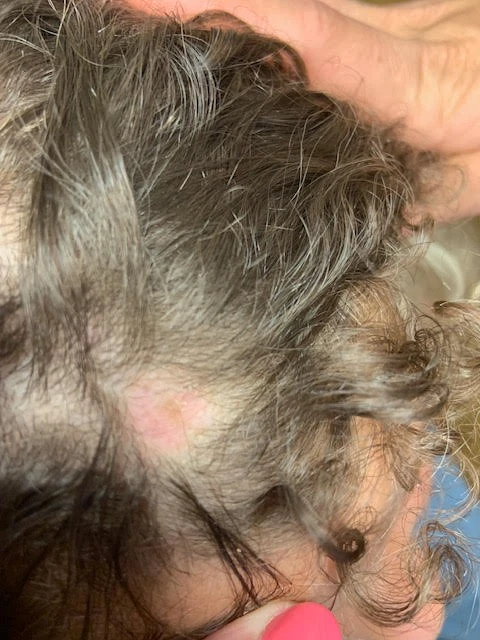
Who Alopecia Areata affects
Alopecia Areata does not discriminate by age. It affects children, teenagers, and adults equally. It can be particularly traumatic for children and young adults facing school or social environments. We provide a safe space for younger patients to be examined.
Why early assessment of Alopecia Areata matters
While some mild cases resolve on their own, others can spread (Alopecia Totalis).
It is vital to distinguish Alopecia Areata from fungal infections (Ringworm) or scarring conditions, which look similar but require totally different drugs. We focus on dampening the local immune response and stimulating the follicles. Early intervention can help manage the condition and support the body’s ability to recover.
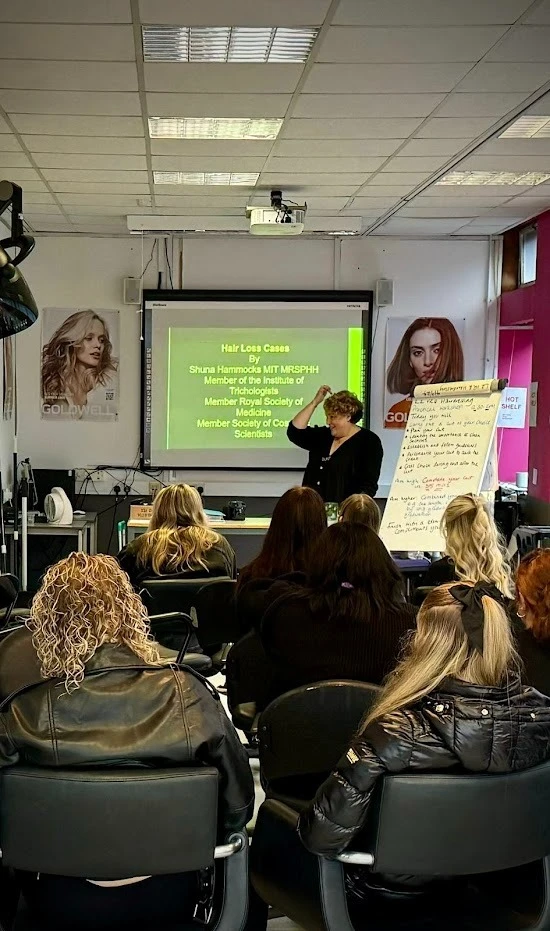
Expert care for Sussex & Kent
If you have found a patch, do not panic, but do seek advice. We treat patients from Tunbridge Wells, Sevenoaks, Eastbourne, and Worthing, providing clinical monitoring and treatment plans.
Related conditions
Other hair loss conditions we treat
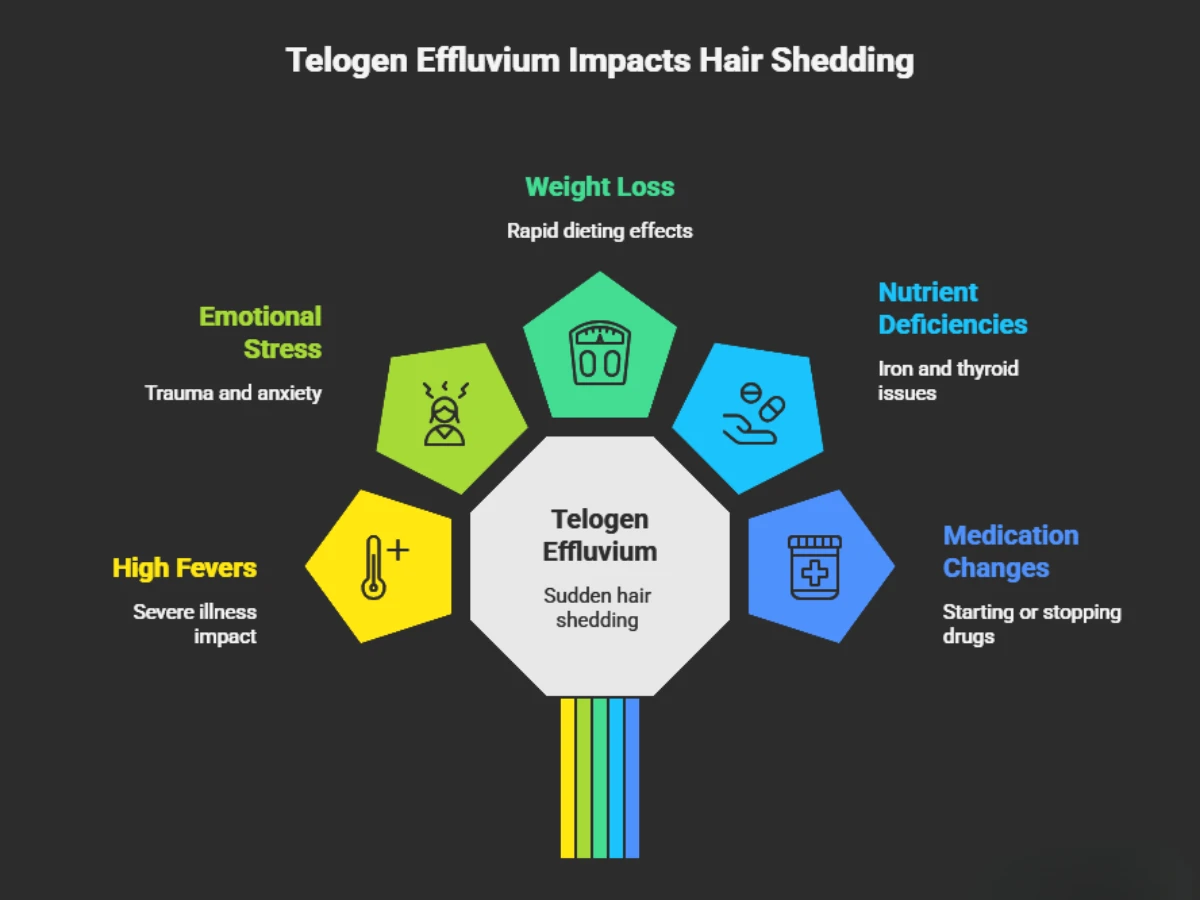
Telogen Effluvium
This temporary form of hair loss triggers a sudden, widespread shedding across the entire scalp.
Read more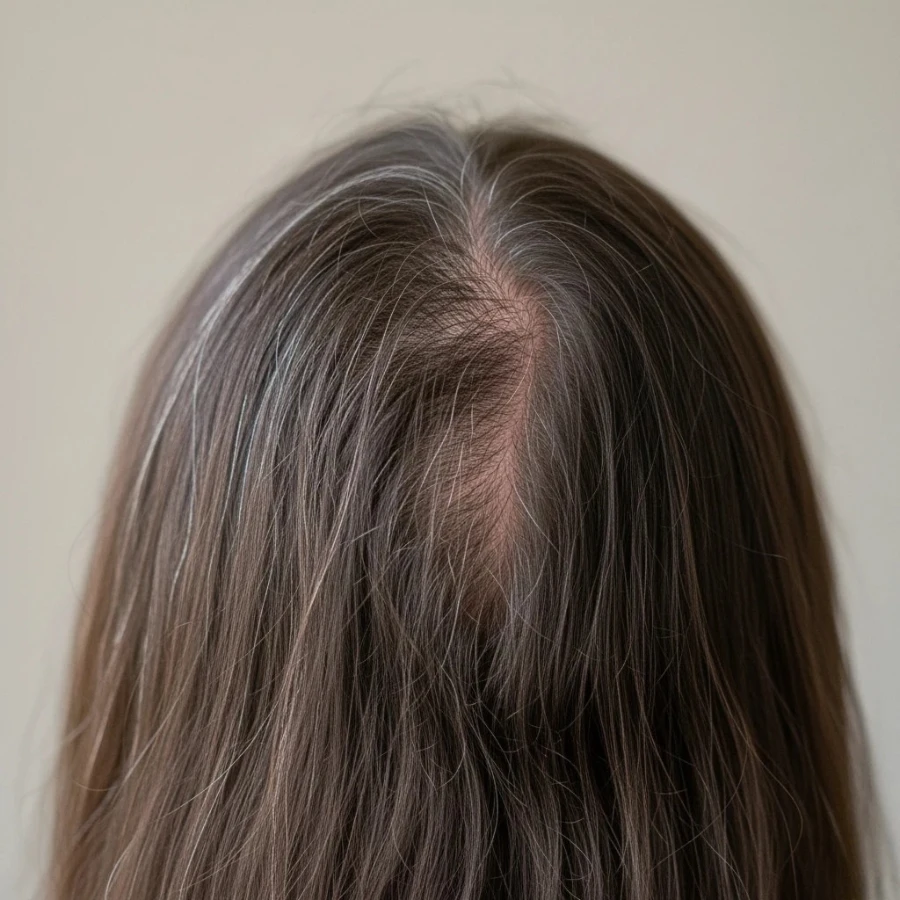
Trichotillomania (Hair Pulling)
This is an impulse control disorder involving the urge to pull out one’s own hair.
Read more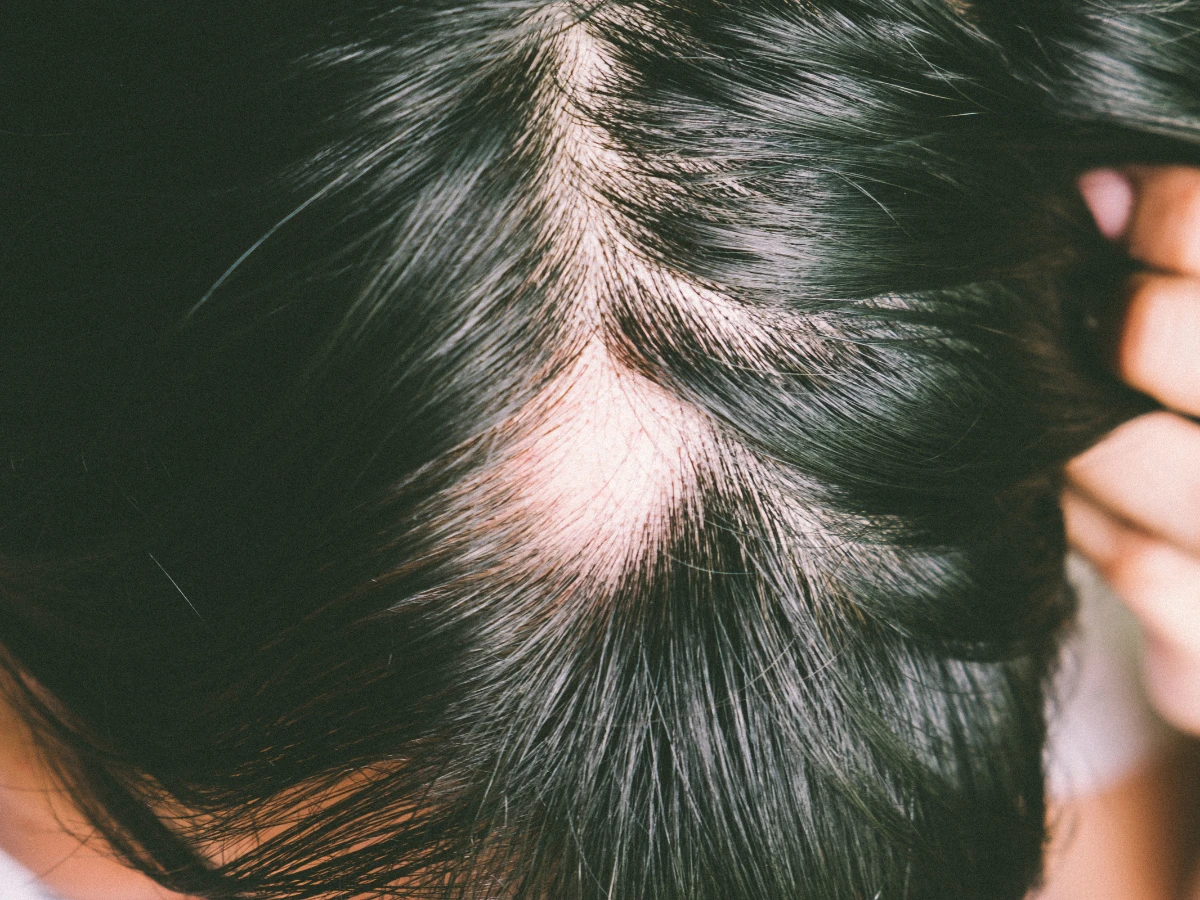
Traction Alopecia
This form of hair loss is caused by localised, repetitive tension on the hair roots from tight hairstyles like braids, extensions, or ponytails.
Read more